Coca-Cola Visual Merchandiser Learnership 2026 South Africa | Requirements, Skills & Career Guide

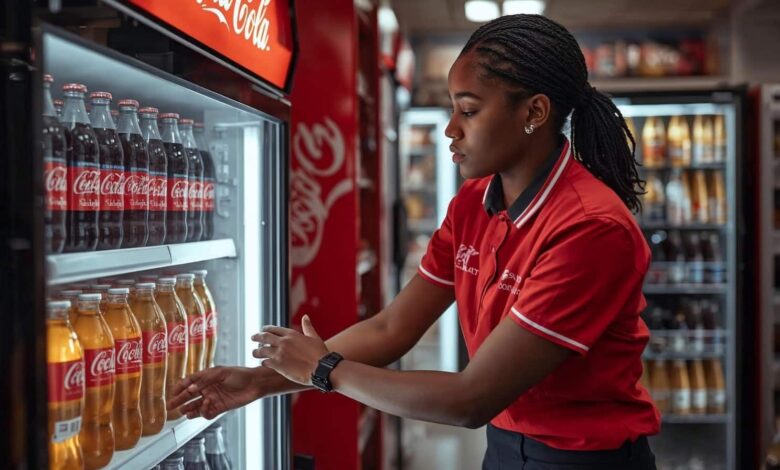
Not Just Packing Shelves: What a Visual Merchandising Learnership at Coca-Cola Really Teaches You
Explore the Coca-Cola Beverages South Africa Visual Merchandiser Learnership 2026, including benefits, challenges, and tips to stand out as a candidate.
When people hear “merchandising,” they often imagine someone simply arranging products on shelves. But step into a real retail environment, and you’ll quickly realise it’s far more strategic than that. The way products are displayed, rotated, and promoted can directly influence how customers buy—and that’s exactly where this learnership comes in.
The Unemployed Learner Visual Merchandiser programme at Coca-Cola Beverages South Africa is designed to introduce young South Africans to the commercial side of retail, where sales, branding, and customer behaviour all intersect. If you’ve ever wondered how global brands maintain visibility in thousands of stores, this is one of the entry points into that world.
Table of Contents
A Day in the Life: More Movement, More Strategy Than You Expect
This isn’t a desk job. It’s active, fast-paced, and often unpredictable.
You’ll likely spend your days moving between different retail outlets—sometimes small local shops, sometimes larger stores—making sure products are visible, fresh, and aligned with brand standards. That means checking stock rotation, setting up displays, and ensuring that Coca-Cola products are easy to find and appealing to customers.
But there’s another layer to it.
You’re also observing:
- What customers pick up first
- Which products move quickly
- How store layout affects buying behaviour
Over time, this builds a kind of commercial awareness that can’t be taught in a classroom.
The Hidden Skill You’re Actually Building
On the surface, it looks like a sales-support role. But underneath, you’re developing commercial acumen—a skill that applies across multiple industries.
You learn how:
- Branding influences decisions
- Stock management impacts sales
- Customer interaction shapes demand
And because the role connects you with sales teams, account developers, and even consumers, you start to understand how different parts of a business align to drive results.
Who Will Thrive Here—and Who Might Struggle
This opportunity is ideal for someone who enjoys being on their feet, interacting with people, and working in structured environments.
You’ll likely do well if you:
- Are comfortable working six days a week
- Pay attention to small details (like product placement and expiry dates)
- Can follow guidelines while still thinking practically in real situations
- Are eager to learn from feedback and adapt quickly
However, this path may not suit you if:
- You prefer remote or office-based work
- You struggle with routine or physical movement
- You’re looking for immediate high earnings rather than long-term growth
Understanding this early helps you decide whether this is the right stepping stone for you.
The Reality Most Applicants Overlook
There’s a tendency to underestimate roles like this, but they come with real expectations.
You won’t just be “helping out.” You’ll be:
- Following structured call schedules
- Meeting performance standards
- Supporting order processes using platforms like MyCCBA
- Representing a globally recognised brand in-store
And yes, your performance will be monitored.
This is where many people either grow quickly—or fall behind.
Mistakes That Quietly Ruin Your Chances
Even before getting into the programme, small errors can cost you the opportunity.
Here are a few to avoid:
Submitting incomplete documents
Missing certified copies or unclear CVs can disqualify you instantly.
Ignoring basic requirements
Age limits, availability, or employment status are not flexible—make sure you actually qualify.
Underestimating the role
If your application doesn’t reflect seriousness, it shows.
Not tailoring your CV
A generic CV that doesn’t mention sales, teamwork, or communication can weaken your chances.
Practical Ways to Stand Out (Even Without Experience)
You don’t need a long work history to impress—but you do need to be intentional.
Here’s how you can position yourself:
- Highlight any school or community experience where you worked with people
- Show reliability (attendance, meeting deadlines, responsibility)
- Mention any exposure to retail environments—even informal
- Demonstrate willingness to learn and follow structure
A strong candidate doesn’t just say “I need a job”—they show they understand what the job involves.
What You Gain After 12 Months (If You Take It Seriously)
This learnership runs for about a year and requires you to complete a structured qualification with 120 credits. But the real value goes beyond that certificate.
You walk away with:
- Real retail and merchandising experience
- Exposure to sales processes and customer engagement
- A better understanding of how large companies operate
- A reference that can strengthen future job applications
For many participants, this becomes the foundation for roles in:
- Sales
- Retail supervision
- Marketing support
- Account management
The Challenges You Should Be Ready For
No opportunity is perfect, and this one has its demands.
You may face:
- Physically tiring days, especially when moving between stores
- Pressure to meet execution standards
- Repetitive tasks that require consistency
- Early mornings or long working hours depending on your route
But these challenges are part of what builds discipline—and that’s something employers value highly.
A Small Detail That Can Make a Big Difference
One of the overlooked advantages in this role is having a driver’s licence. While not always mandatory, it can make you more flexible and useful, especially when covering multiple locations.
It’s a small factor—but it can influence how you’re viewed within the team.
Thinking Beyond the Learnership
It’s easy to focus only on getting into the programme, but what matters more is what comes after.
If you use this opportunity well, you can:
- Transition into permanent roles within retail or FMCG
- Move into sales-focused positions
- Build a career path in marketing or brand management
The key is to treat the learnership as more than just a requirement—see it as your entry into a much larger industry.
Before You Submit Your Application
Take a moment to review your CV and documents properly. Presentation matters more than most people think, especially at this stage of your career.
If you need help improving your application, it’s worth checking out a job application guide on your site to make sure you’re putting your best foot forward.
A Starting Point That Can Open Bigger Doors
If you’re willing to learn, stay consistent, and take the role seriously, it can lead to opportunities far beyond what the title suggests.
And in a competitive job market, that kind of practical experience can set you apart.
To learn more about this role, head over to the company’s verified careers portal where you can explore the details and complete the process securely.
Popular Inquiries
What does a Visual Merchandiser do in this learnership?
A Visual Merchandiser focuses on how products are displayed in stores to attract customers and increase sales. In this learnership, you’ll assist with product placement, stock rotation, and maintaining brand visibility in different retail outlets
Who can apply for the Coca-Cola learnership?
This opportunity is open to unemployed South African youth between the ages of 18 and 35 who have completed Grade 12. A background in sales or marketing can be helpful but is not always required.
How long does the learnership last?
The programme typically runs for 12 months, during which you’ll complete structured workplace training and work towards a formal qualification.
Is a driver’s licence required?
A driver’s licence is not always mandatory, but it is considered an advantage since the role may involve traveling between different stores.
Can this lead to a permanent job?
While there is no guarantee of permanent employment, many learners use this experience to secure roles in retail, sales, or marketing after completing the programme.
How can I improve my chances of getting selected?
Submitting a clear, professional CV
Highlighting any relevant skills or school projects
Showing willingness to learn and work in a team
Following all application instructions carefully
If you want to increase your chances even further, consider reading detailed Application Steps to refine your CV and application strategy.
Disclaimer:
This article is for informational purposes only and is not affiliated with or endorsed by any company mentioned. While every effort is made to ensure accuracy, job details may change over time. Always refer to the official company website for the most up-to-date information and application process.